Disclaimer
This article provides general educational information only. It offers a neutral discussion of educational digital platforms and does not describe specific services, actions, or institutional procedures.
Understanding Educational Digital Platforms
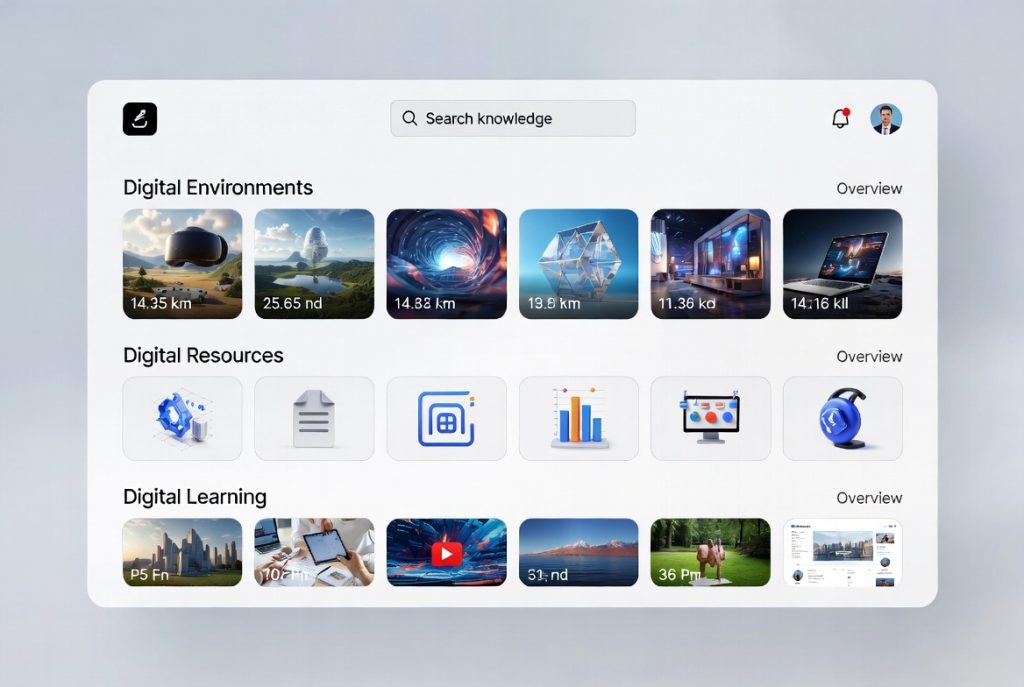
Educational digital platforms are web platforms designed to support the organization and presentation of academic information. Their primary role is to bring diverse materials into a single, coherent environment where information can be interpreted without fragmentation. Within digital environments, these platforms help maintain consistency by applying shared structural rules across sections.
In many contexts, labels such as myufl, my ufl, or my uf may appear as examples of how areas are identified within broader systems. In an educational explanation, these labels illustrate naming conventions rather than actions or access methods.
Academic Information and Knowledge Resources
Academic information often includes references, explanatory materials, and structured learning content. Digital platforms present these knowledge resources through categorized sections that reflect subject relevance. This approach allows readers to understand relationships between topics without relying on isolated documents.
A clear platform structure ensures that information remains interpretable as collections expand. When structure is predictable, users can focus on meaning rather than layout.
Platform Structure and System Framework
Platform structure defines how academic content is arranged across the system. It works alongside a system framework that governs how sections connect and remain stable over time. Together, these elements support clarity and continuity.
In educational settings, a strong framework allows platforms to scale while preserving organizational logic. New materials can be added without disrupting existing content organization.
Navigation and Orientation
Platform navigation helps users move through academic information in a logical sequence. Menus, overview sections, and categorized groupings provide orientation while maintaining context. A well-designed navigation layer supports interpretation rather than directing behavior.
Conclusion
Educational digital platforms support academic understanding by combining structured organization, stable frameworks, and thoughtful navigation. These systems create information-centered environments where content can be explored with clarity.
Final Disclaimer
This content is intended for general educational purposes only. It is not affiliated with or endorsed by any institution or platform and does not provide operational guidance.