Disclaimer
This article presents general educational information. It explains how academic information is organized within digital environments without offering system-specific guidance.
The Need for Organized Academic Information
Academic content often spans multiple subjects and formats. Within digital environments, effective organization is essential to prevent confusion. Educational platforms rely on information systems that group content logically and maintain consistency across sections.
Examples such as myufl or my ufl may appear as neutral identifiers in discussions of organization, illustrating how sections can be labeled within larger systems.
Content Organization and Structure
Content organization determines how academic materials are grouped and prioritized. A clear content structure allows primary topics to be introduced first, followed by supporting information. This hierarchy reduces cognitive load and supports comprehension.
Educational digital platforms apply consistent structural patterns so that similar types of content behave in familiar ways across the site.
System Overview and Information Context
A system overview provides context by summarizing available sections and their relationships. Rather than directing activity, an overview helps readers understand scope and structure. This perspective supports orientation within complex information systems.
System overviews are especially useful in environments where academic content grows over time.
Platform Architecture and Stability
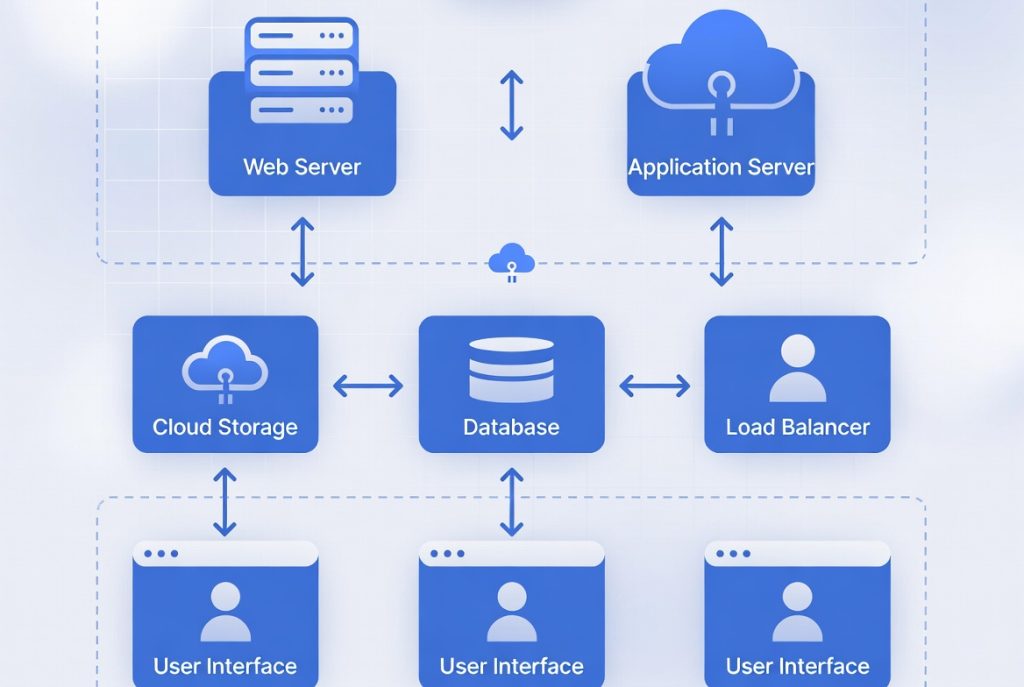
Platform architecture underpins visible organization. It ensures that content organization remains stable even as materials are updated. When architecture aligns with structure, educational platforms feel coherent and predictable.
Digital Workflow Across Academic Content
Digital workflow describes how information is encountered sequentially. In well-organized systems, workflow feels continuous because each section connects logically to the next. This continuity supports deeper understanding.
Conclusion
Organizing academic information in digital environments requires thoughtful structure, stable architecture, and clear overviews. Together, these elements support clarity and interpretation.
Final Disclaimer
This article offers general educational insight only. It is not affiliated with any institution and does not describe platform usage or procedures.